
The gold rally gets explained the same way every time. Inflation fears. Nervous investors. Geopolitical tension. All true — but all missing the bigger story.
Governments have been buying gold at a pace not seen since the 1950s. More than 40 central banks added to their reserves in 2025. China has been buying consistently for over a year, month after month, with a precision that analysts describe as policy — not opportunism. And that is only what is officially reported. Many believe China’s actual holdings are two to three times the public figure.
The turning point was 2022. When the US and its allies froze $300 billion in Russian central bank assets, every other government in the world received the same message at once: dollar-denominated reserves can be switched off. Gold cannot. It has no counterparty. It cannot be frozen, sanctioned, or devalued by someone else’s decision. For countries outside the Western financial alliance — and even some inside it — that stopped being a theoretical point and became a practical one.
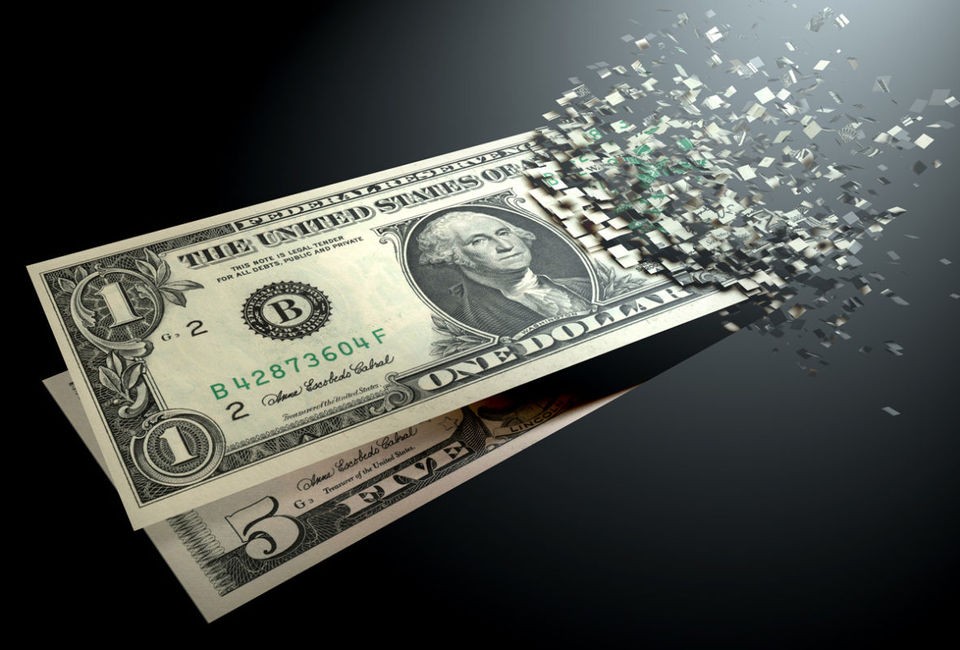
By the end of 2025, the total value of central bank gold holdings had reached $5.2 trillion — surpassing foreign holdings of US Treasury bonds for the first time in decades. Gold now accounts for roughly 20% of global reserves. The dollar’s share has slipped to around 56%, its lowest in thirty years.
And it is still early. Gold makes up only around 4% of China’s foreign exchange reserves — well below the global average of 15 to 20%. There is a long way still to go.
This is not a panic trade. It is a slow, structural shift being made by governments with very long time horizons. The people who typically move markets first are not retail investors. They are central banks. And right now, they are all moving in the same direction.